The rules surrounding medical waste handling may be complicated, but they’re there to protect you. Team training reduces liability, keeps you legally aboveboard, and cements confidence in your commitment to workplace safety.
Keystone offers medical waste compliance training as an add-on service to our waste management solutions, so you can get both disposal and education in one place.
Keystone can handle the processing and compliant disposal of medical waste, but those are just the last few steps. If your staff doesn’t know how to manage medical waste before we pick it up, your facility could still be at risk.

OSHA, the federal Occupational Safety and Health Administration, governs the handling and disposal of biohazard waste and sharps. They also set the bar for personal protective equipment (PPE) use and disposal.
Compliance with OSHA standards is required for all personnel who may come into contact with blood or other potentially infectious materials. Training under OSHA’s Bloodborne Pathogens Standard covers:
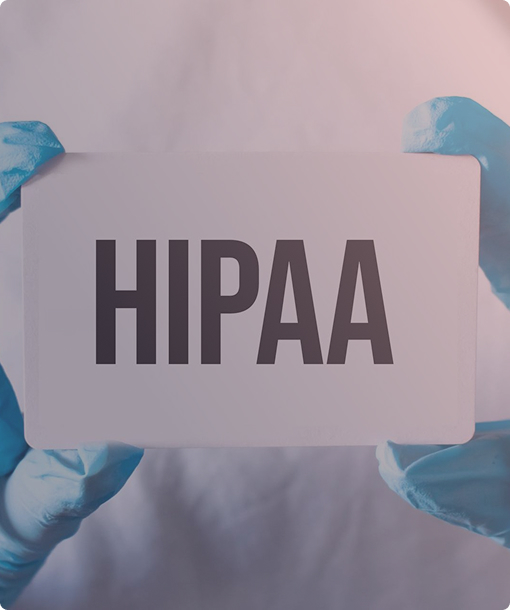
Treating patients means you have access to very sensitive personal information. HIPAA is sometimes synonymous with digital privacy, but in fact, these laws extend to any situation where personal health information (PHI) could be exposed. This includes waste handling.
Think about it — a prescription bottle has a patient’s name, address, date of birth, and medical information. All of those represent PHI, and if you’re not careful when discarding waste, this information could fall into the wrong hands. HIPAA waste management training typically includes:
Even accidental disclosure of PHI during waste disposal can result in significant penalties and reputational harm.
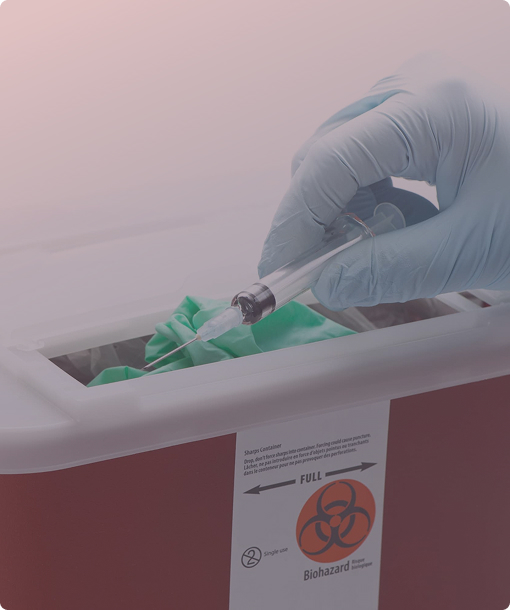
Sharps include needles, scalpels, injectables, broken glass, dental wire, or any other item capable of lacerating or puncturing skin. It’s a long list of potential hazards, and handling them correctly means more than avoiding cuts. Effective sharps training emphasizes:
These practices not only reduce the risk of injury but also help maintain compliance with OSHA and state-level safety standards.
In medical waste training, transportation is easy to overlook. There’s so much focus on proper sorting, careful handling, cross-contamination, and privacy, but what about the next step? Once the red bag is packed up, someone has to transport it from your facility to the processing center and disposal sites. And of course, compliance isn’t as simple as throwing it into a garbage truck.
The Department of Transportation (DOT) regulates the transportation of medical waste from packaging to transporting to disposal sites. Training components include:

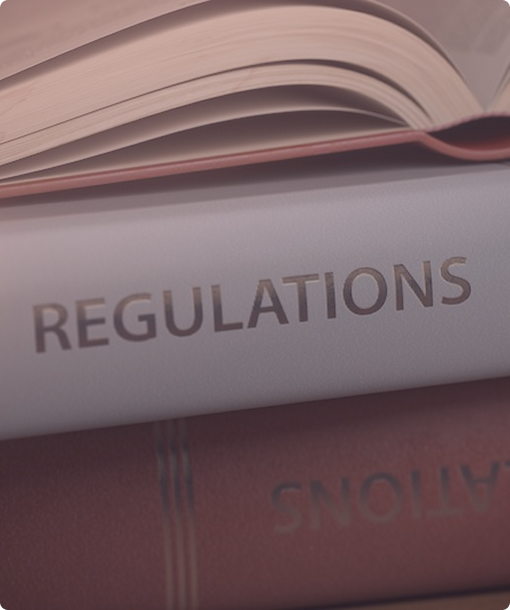
Beyond federal requirements, each state may enforce additional medical waste rules. California, for example, specifies time limits for handling and storing biohazard waste. Texas is strict about documentation. Minnesota has waste reduction plans, and in the Twin Cities, facilities must obtain and maintain annual infectious waste licenses. Your state or even city may have additional rules to follow.
Keystone can handle the processing and compliant disposal of medical waste, but those are just the last few steps. If your staff doesn’t know how to manage medical waste before we pick it up, your facility could still be at risk.
Everyone in your facility needs compliance training before handling regulated medical waste.
Many states call for OSHA and HIPAA re-training to keep everyone up to date with any changes.
Retrain your entire staff when the federal or state laws change, or whenever you update your facility policies.
Some staff may handle sharps or infectious materials often, and a lapse in compliance can mean major penalties.
Hopefully you won’t experience a compliance violation, but if you do, it’s definitely time for staff retraining.
Non-compliance is expensive! Each governing body may fine a facility for compliance violations, and each of those penalties can cost thousands.
Beyond fines, inadequate training increases the risk of injuries, infections, or privacy breaches. None of these things reflect well on a facility’s reputation as a careful and thoughtful service provider. Consistent education and documentation protect both people, organizations — and their reputations.
Once your team understands compliance, everything else runs smoother.
Training builds confidence to prevent mistakes and maintain a healthy workplace. Each of our courses is designed to reduce risk, improve day-to-day safety, and keep your facility aligned with every regulation that applies to you
When employees understand compliance, you:

Compliance courses are available as an add-on to any Keystone waste management services. Each program is designed around real-world healthcare environments:
We know your schedules aren’t always consistent or even predictable. Our video-based trainings are easy to access whenever you need them.


Complete required compliance training quickly and confidently with expert guidance that fits seamlessly into your busy schedule.